UNIBZ: Combining technology and feedback to tackle food waste.
At the canteen of Free University of Bozen-Bolzano, we combined smart scales with users’ feedback to understand what causes food waste. Between October 2025 and May 2026, average food waste per diner fell by 23.7%.
Tackling food waste by understanding its causes.

Institutional catering faces an increasingly important challenge: making food services more sustainable, particularly by reducing waste. But measuring leftovers alone is no longer enough. To cut food waste, we need to understand why it happens.
Reducing food waste is one of our ESG objectives.
Every year, we serve more than 13 million meals in hospitals, schools, universities and workplaces across Italy. We have, therefore, established KPIs to monitor and improve our performance, partnered with Banco Alimentare to recover meals that have not been served, and launched a technology-based project to track food waste and understand its causes.
Two types of insight, one integrated system.

We developed the project together with Behavix, an innovative start-up. The system brings together two complementary elements: objective measurements and subjective feedback.
Using artificial intelligence, the smart scales automatically identify and record the amount and type of food waste that has been disposed.
A digital platform gathers feedback from individual users, allowing them to rate portion sizes and how much they enjoyed their meals.
Bringing these two sets of insights together helps us identify trends, plan timely improvements and actively engage diners through an interactive dashboard featuring gamification elements.
Less waste, backed by data.
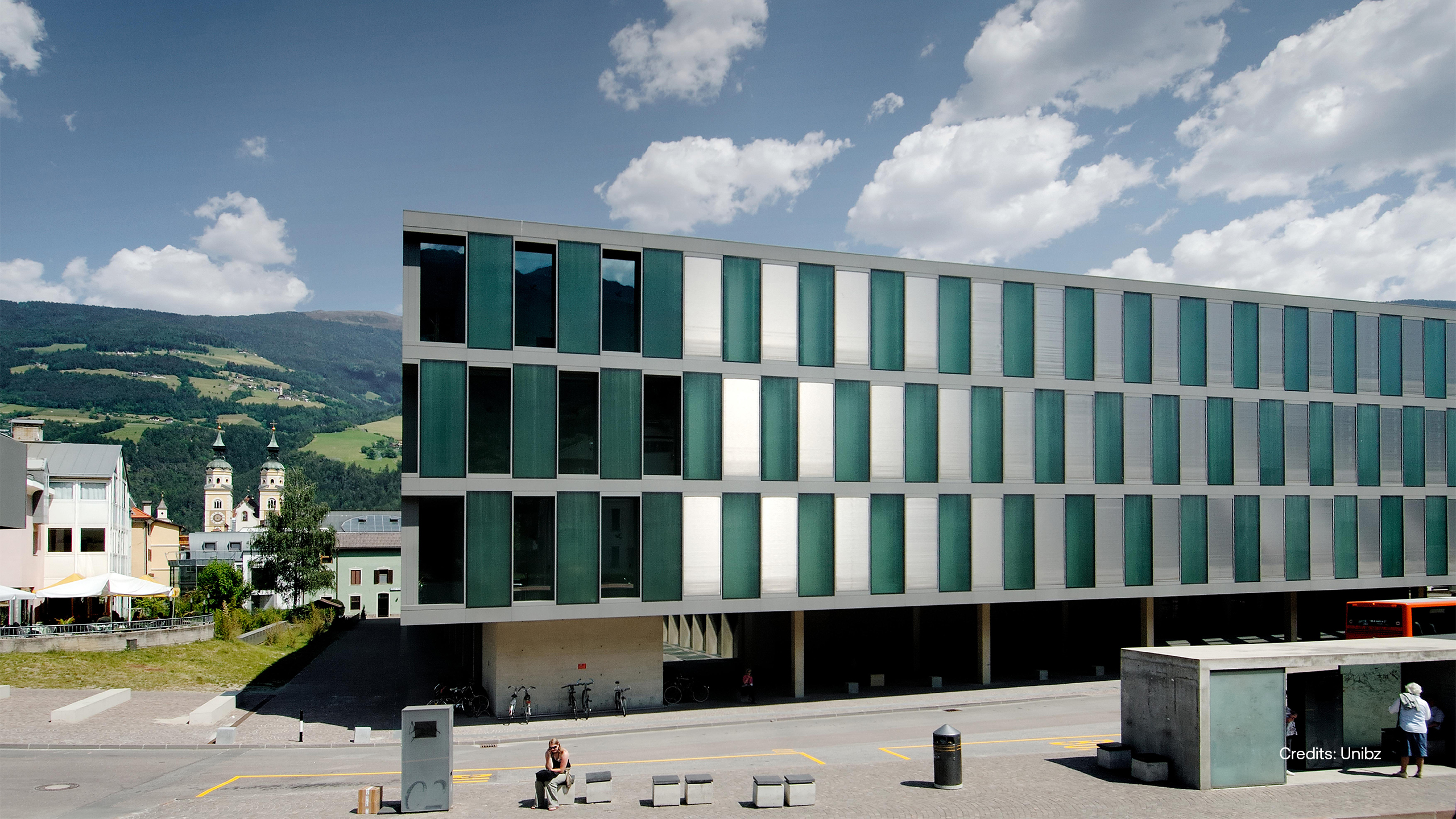
We introduced the monitoring system at the canteen of Free University of Bozen-Bolzano. Between October 2025 and June 2026, it collected a substantial volume of data, combining objective measurements with diners’ perceptions. Over the entire period, the scales recorded an average of 13.77 grams of food waste per person.
Even more interesting is how this evolved over time: comparing October 2025 (15.43 g per diner), the first month of monitoring, with May 2026 (11.76 g per diner), food waste fell by 23.7%.
reduction in average food waste per person between October 2025 and May 2026
average food waste per diner across the entire monitoring period
of monitoring, from October 2025 to June 2026


INNOVATION TEAM LEADER AT MARKAS
“This project has taught us how to gather and act on our end-users’ feedback in a structured way, turning every comment into an opportunity to improve our services. The results show us that technology can make a real difference in tackling food waste when it is designed around people’s needs.”
Technology and feedback, working together.
Institutional catering faces a complex but essential challenge. Only by combining technology with actively listening to people can we understand the underlying causes of food waste and drive meaningful change.
Every facility has its own needs. And you, what solution do you need?
Contact us