



Top multiservice trends for 2026: innovation, AI and sustainable solutions
The multiservice sector is entering a new phase of transformation driven by technological innovation, sustainability priorities and the need for greater operational efficiency.
As we look ahead to 2026, we explore how new trends are reshaping the multiservice industry and what companies need to look out for in order to better respond to the evolving expectations of clients, employees and end users.
Internet of Things (IoT), sensors and digital twins: enabling data-driven, needs-based services
The integration of IoT (Internet of Things) devices into cleaning operations is redefining how buildings are cleaned and monitored. Smart dispensers, presence sensors and connected equipment can provide real-time data on restroom usage, stock levels, foot traffic, or bin fill levels, enabling demand-based cleaning aligned with actual needs.
This evolution shows that, beyond carrying out basic cleaning activities, multiservice companies like Markas are becoming strategic partners for their clients, helping them leverage technology, data and new tools to improve service quality, efficiency and end-user satisfaction within facilities.
Also in the food sector, tracking real data makes it possible to reduce waste and adapt services and offerings to customer demand in a short time.

Cobotics and technology at the service of people
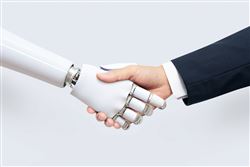
The market for cleaning robots, already a top multiservice trend in 2025, will continue to grow rapidly also in 2026. We expect to see more cobots working alongside staff without replacing them. In kitchen facilities, evolving robotic solutions and high-performance machinery will help improve service efficiency.
At Markas, we continue to integrate technology and human skills, freeing Markas employees from repetitive tasks so they can focus on higher value-added activities—benefiting everyone, from employees to end customers.
In the field of Autonomous Mobile Robots (AMRs) for warehouses or intralogistics transport, growth is also expected to continue, as these systems improve movement efficiency and reduce downtime in the workplace.
Self-cleaning surfaces for better hygiene and safety in public and industrial environments
Safety will remain a priority in 2026, alongside the development of new materials that keep surfaces safer and cleaner for longer periods. This includes innovations such as self-disinfecting coatings that reduce the spread of germs or self-cleaning surfaces.
More eco-friendly and sustainable solutions
Sustainability practices are a core element in the multiservice sector. In addition to energy-saving strategies, attention to more sustainable cleaning products is increasing, as more and more companies focus on ESG goals.
Key trends for the coming year include biodegradable, recycled and compostable packaging, as well as detergents that reduce the environmental impact of chemicals. Water conservation is also becoming increasingly important. In collective catering as well, a focus on reducing food waste relies on data-driven menu planning and the use of digital platforms that support staff and customers at every stage of the service.
Work efficiency and upskilling of employees through technology
Investing in innovative technological solutions for training and workforce scheduling is now essential to attract and retain employees in the multiservice sector. Digital platforms will keep facilitating planning, will improve internal communication and will continue to promote skills development.
These tools allow employees to access personalized professional growth paths and organize their time more flexibly, while also fostering a more inclusive and collaborative work environment.
High-quality and personalized services
Multiservice companies offer customized solutions based on collected data and collaboration with clients and stakeholders. In Housekeeping transparent use of data makes it possible to create personalized and more comfortable experiences for guests.
Artificial intelligence
From 2026 onward, many companies will move from pilot tests to tangible results by integrating AI into data, reinforcing the collaboration between people and intelligent systems. A key element of the 2026 landscape will be the increasingly important role of AI agents: autonomous systems capable of making decisions and interacting both with other systems and with people to make processes and services more efficient.
Overall, companies should aim to promote responsible AI adoption, encouraging collaboration between advanced technology and human expertise. At Markas, apart from focusing on the definition of clear policies and strategies for a safe and ethical integration of AI—concentrating on transparency, data protection and alignment with company values- we have invested in people’s training, established operational procedures, and created interdisciplinary teams to monitor the development of AI solutions and select those with real added value.
ARTICLES YOU MAY LIKE